
What an offer wall is and how to fill it with local deals
The moment after a survey is the most attention a new subscriber will ever give you. An offer wall spends it on deals that fit them, claimed in one tap and tracked per claim.
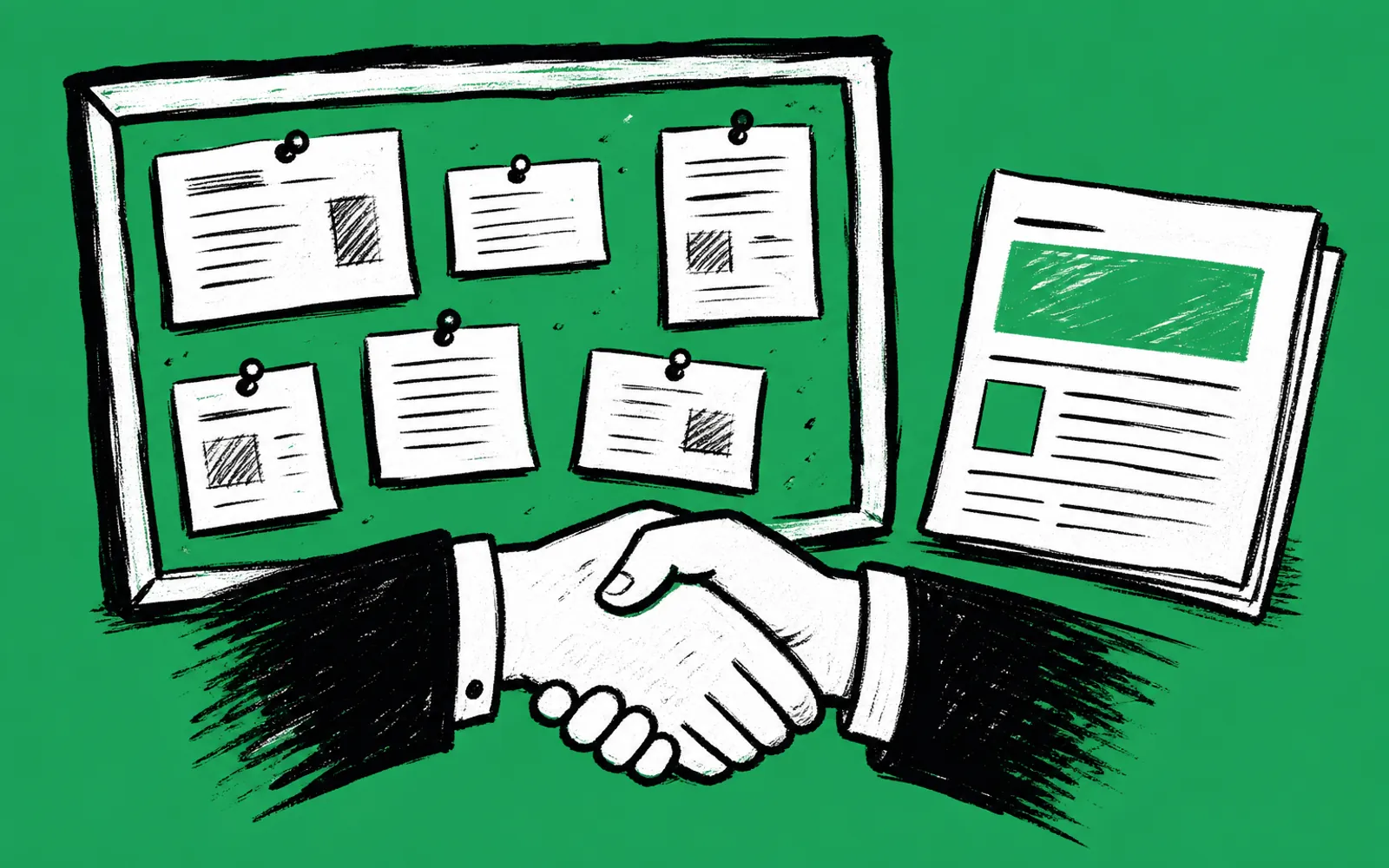
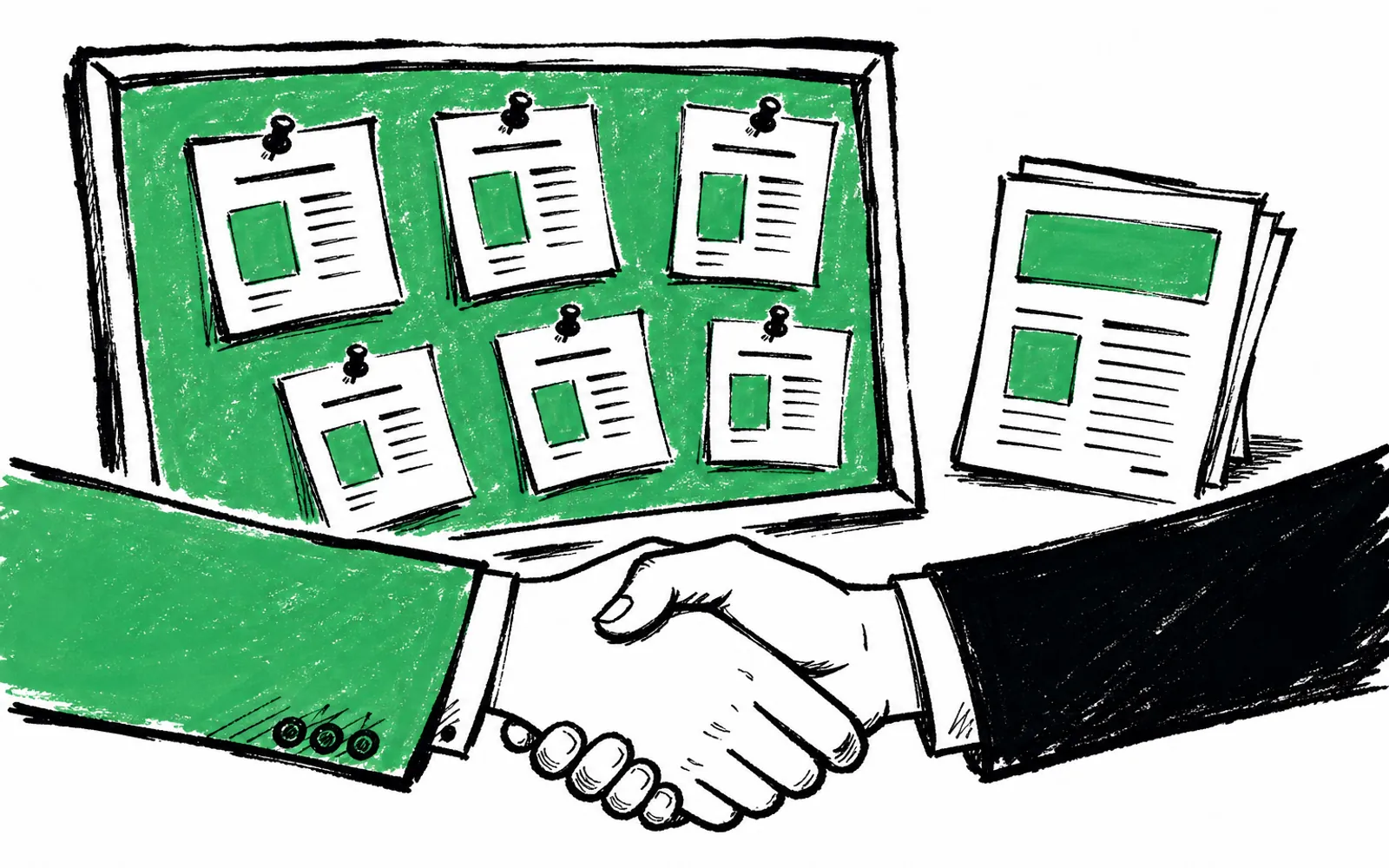
- An offer wall shows your offers and partner deals, matched to each answer
- Spots are sold to local partners and priced per claim
- Readers claim an offer in one tap and greetform tracks every claim
- The free forever plan needs no card
A new subscriber finishes a short survey, and then the page just says thanks. That is the moment a reader is paying more attention to a newsletter than they ever will again, and most newsletters spend it on a dead end. An offer wall turns that same page into a set of deals the reader can claim in one tap.
What an offer wall does
In greetform, the offer wall is the screen a new subscriber reaches after the survey questions. It shows the publisher's own offers and local partners' offers, matched to the answers each reader just gave. Conditional logic, meaning each answer decides what comes next, is built in, so owners and renters can see different offers on the same wall.
Readers claim an offer with one tap. greetform records the lead and the claim, so the publisher can see every lead and every claim in one place. greetform does not pay publishers and does not set prices. The publisher sets the prices and makes the deals with partners; greetform supplies the tools and the tracking.
The wall is one of five ways greetform uses the signup moment. The questions branch, offers can pop up mid-survey, readers who own a business can ask for the media kit, sister newsletters can be offered, and the offer wall sits at the end matching every deal to every answer. A publisher can use one of these or all of them together.
Who it is for
An offer wall fits local newsletter publishers, creators and event organizers who want to earn from the signup moment. It works for a publisher selling their own courses, memberships, events or services, and for one selling leads to local businesses such as realtors, med spas, gyms and contractors. Henderson HQ and Forest City Insider both use greetform.
It is not for a publisher who wants a platform that pays them directly or guarantees revenue. Any figure a publisher projects is example math, not a promise, because the publisher makes every deal and sets every price. It also assumes the newsletter runs on Beehiiv, ActiveCampaign or Mailchimp, the platforms greetform syncs with; there is nothing to migrate and no change to the email platform.
What makes a good local deal
A good wall deal is one a reader can claim on the spot, like a free trial week at a local business. It has to fit the answers the reader just gave, because the wall matches offers to what each reader said. A partner whose offer matches a specific answer, such as a homeowner seeing a home service deal, gets a claim from a reader who is already paying attention.
This is why the survey matters as much as the wall. The questions a publisher asks decide what the wall knows. A survey that asks whether the reader owns or rents, what neighborhood they live in, or what they are shopping for gives the wall something to match against. A survey that asks nothing leaves the wall showing the same offers to everyone, which is exactly the thank-you page problem with extra steps.
Local deals work best when the claim is worth something to the partner and easy for the reader. A free trial week costs the partner little and gets a warm lead. A discount on a first visit gives the reader a reason to tap. The publisher's job is to pick partners whose offers fit the audience the survey just described, and to price each spot for what a claim is worth to that partner.
How spots are sold and tracked
Publishers sell spots on the wall to local partners and price them per claim. When a reader taps, greetform sends the lead to the partner and records the claim. The publisher sees each lead and each claim, so a partner can be billed for exactly what was claimed rather than for impressions.
Per-claim pricing changes the pitch to a local business. Instead of asking a realtor or a gym owner to pay for a banner nobody measured, the publisher can offer a spot that only costs money when a reader actually claims it. Every claim is recorded, so the conversation with the partner can be about results the publisher can show, not estimates. The publisher still sets the price per claim; greetform only does the matching and the counting.
The same records help the publisher improve the wall over time. Because every answer syncs to the subscriber record, the publisher can see which answers lead to claims and which offers sit untouched. A spot that never gets claimed can be re-priced or swapped for a better-fitting partner, and the survey can be tuned to surface the answers that lead to claims.
How to start filling one
- 01Create an account
Go to app.greetform.com and sign up; the free forever plan needs no card.
- 02Build the survey
Write the short questions a new subscriber answers right after subscribing.
- 03Set the branching
Use conditional logic so each answer decides which question and which offers come next.
- 04Add your own offers
List your courses, memberships, events or services on the wall.
- 05Add partner deals
Agree on terms with local partners and add their deals, priced per claim.
- 06Connect your email platform
Link Beehiiv, ActiveCampaign or Mailchimp; every answer syncs to the subscriber as a field to segment on.
- 07Share the greetform
Publish the hosted form so new subscribers land on it after they subscribe, then watch the claims.
Every answer a reader gives lands on the subscriber record and syncs to the email platform as a field the publisher can segment on. That means the wall does more than close a single claim. It tells the publisher who claimed what, which answers led to claims, and which partner deals fit which readers, all from the signup moment.
The wall can look like the publisher's own newsletter, and the form is hosted and ready to share, so the whole thing can run without changes to the email platform. A publisher on the free plan can watch the first claims come in before deciding whether to sell more spots.